Psychoactive Plants & Fungi
A field guide to popular and diverse plants that affect the mind, covering science, culture, and harm reduction.
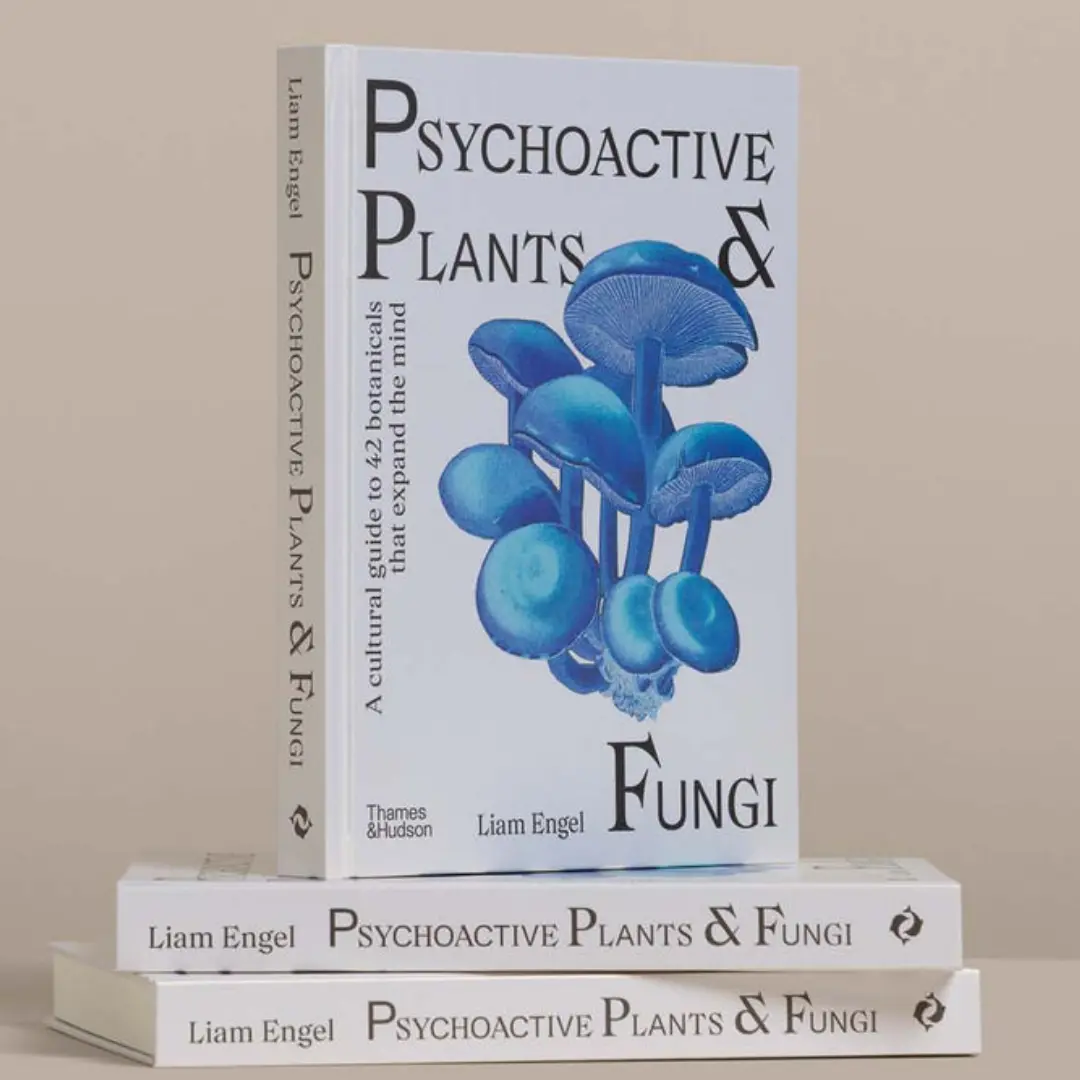
Psychoactive Plants & Fungi is a guide to plants that shape human consciousness, or more simply, plants that get you high.
While most people are familiar with substances like caffeine, tobacco, cannabis, or even ayahuasca, few realise just how vast, culturally rich, and historically significant the world of psychoactive plants really is. This book brings that hidden landscape into view, offering a clear, grounded introduction to the plants that have altered perception, ritual, medicine and culture across millennia.
$50.00
A field guide to popular and diverse plants that affect the mind, covering science, culture, and harm reduction.
Psychoactive Plants & Fungi is a guide to plants that shape human consciousness, or more simply, plants that get you high.
While most people are familiar with substances like caffeine, tobacco, cannabis, or even ayahuasca, few realise just how vast, culturally rich, and historically significant the world of psychoactive plants really is. This book brings that hidden landscape into view, offering a clear, grounded introduction to the plants that have altered perception, ritual, medicine and culture across millennia.
What the book covers
The book opens with a practical introduction to how psychoactive substances interact with the human body and brain, and how they have influenced societies, belief systems, and healing practices around the world.
From there, it presents 42 detailed plant profiles, each designed to be readable, informative, and usable without requiring specialist training. Each profile includes:
- Common and scientific names
- Traditional and cultural uses
- Botanical appearance and identification
- Ecological and sustainability considerations
- Psychoactive effects
- Dosage and duration
- Methods of preparation
- Safety considerations and harm reduction
Who this book is for
This book is written for a crossover audience. In the short term, it speaks to general readers curious about psychedelics, plant medicine, and the growing cultural conversation around psychoactive substances. In the longer term, it is designed to function as a foundational reference for students and practitioners in medicine, psychology, ethnobotany, pharmacology, and drug education, as well as for anyone working in harm reduction or public health. You might not need a science degree to read this book, but it still intends to elevate mainstream narratives around psychoactives.
How this book is different
Many classic texts on this topic, like ‘Encyclopaedia of Psychoactive Plants’ and ‘Garden of Eden’, are invaluable, encyclopaedic and exhaustive. However these books are also often dense, technical, and largely inaccessible to non-specialists. Psychoactive Plants & Fungi takes a different approach.
Rather than cataloguing everything, this book focuses on plants with clear psychoactive effects and genuine cultural significance, presented succinctly and beautifully. Simple schemas are introduced for the succinct summary of complex topics, in the aim of making the information relevant to relevant to the same people who consume these plants. The result is a book that can sit comfortably on a coffee table, in a classroom, or on a lab bench.
Why this book matters now
We are living through a moment of rapid change in how psychoactive substances are discussed, researched, and regulated.
Psychedelic therapies are re-entering mainstream medicine. Cannabis laws are shifting. Harm reduction services are advancing. At the same time, misinformation, stigma and moral panic continue to shape public discourse.
This book is written in response to such tensions. It argues, implicitly and explicitly, that education, transparency and evidence do more to reduce harm than secrecy or silence ever could.
Behind the book
The research and writing of Psychoactive Plants & Fungi draws on a combination of academic research, laboratory work, harm-reduction practice, and lived experience.
Alongside Dr Liam Engel’s work as an ethnobotanist and natural products chemist, Liam is actively involved in drug checking services, analytical chemical and pharmacological research and public education initiatives. Much of this book was written while navigating the same legal and ethical grey zones that surround psychoactive plants more broadly; plants that are legal to grow but illegal to consume, widely used but rarely discussed with honesty.
In that sense, this book takes shape as a much needed bridge. It brings psychoactive knowledge out of the shadows and stimulates open, evidence-based conversation about risk management, drug law reform and social, cultural and environmental sustainability.
Publication details
- Publisher: Thames & Hudson
- Format: Full-colour, illustrated
- Publication date: 2026-03-03
- Extent: 228 pp
- Format: Hardback
- Illustrations: approx 330 images
- Size: 25.0 x 19.0 cm
- ISBN: 9781760764876