How can I stop my mouth feeling dry?
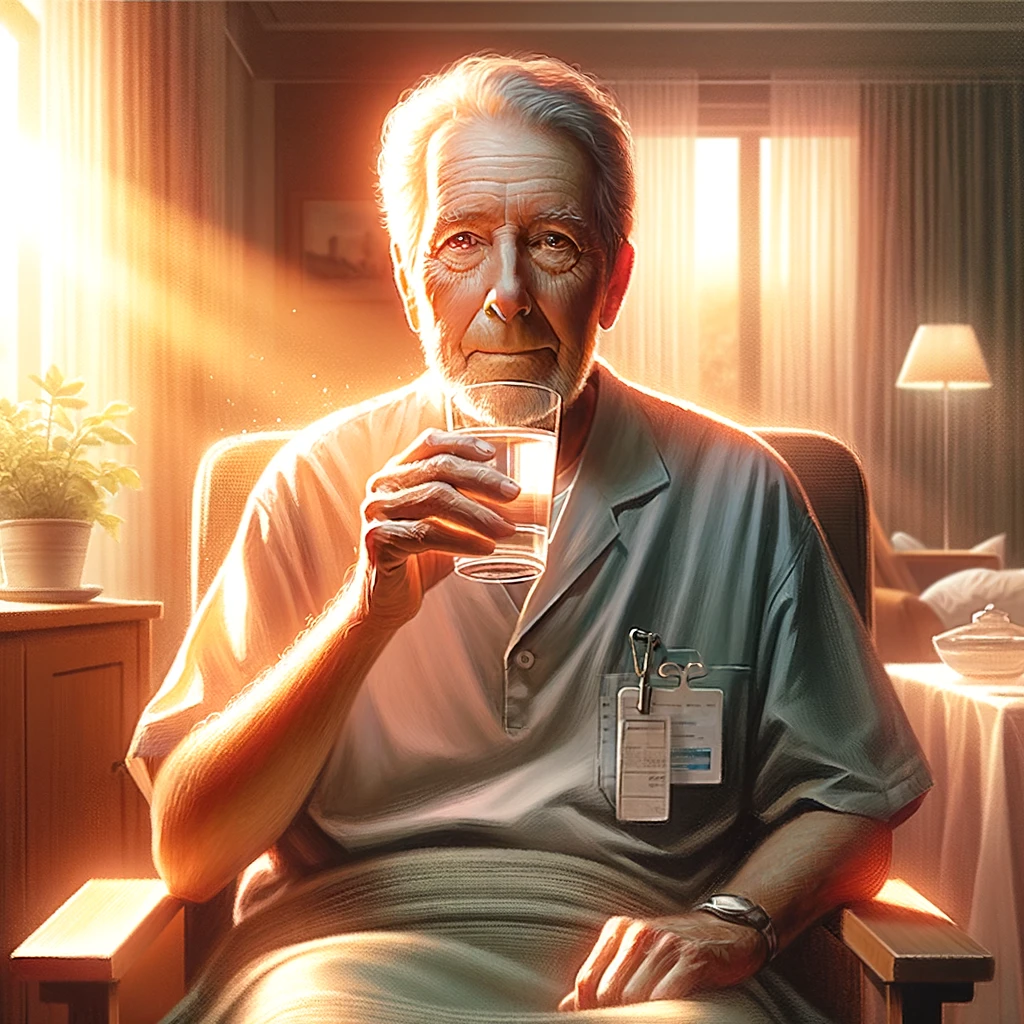
If you have a dry mouth, there are a number of things that you can do to help yourself both prevent this happening and to ease the symptoms:
1. Stay Hydrated: Drink plenty of water throughout the day to keep the mouth moist. Keeping a bottle of water handy and sipping regularly can help, especially after eating or talking.
2. Stimulate Saliva Production: Chew sugar-free gum or suck on sugar-free hard candies to stimulate saliva flow. Opt for products containing xylitol, which can help reduce the risk of tooth decay.
3. Maintain Good Oral Hygiene: Brush your teeth at least twice a day with fluoride toothpaste and floss daily. This helps prevent dental problems that can be exacerbated by dry mouth. Consider using a fluoride mouth rinse or a saliva substitute to help moisten the mouth.
4. Avoid Mouth-Drying Substances: Reduce or eliminate intake of caffeine, alcohol, and tobacco, all of which can dry out the mouth. Also, be cautious with over-the-counter antihistamines and decongestants, as they can worsen dry mouth symptoms.
5. Breathe Through Your Nose: Try to breathe through your nose instead of your mouth as much as possible. Mouth breathing can dry out the oral cavity.
6. Adjust Your Diet: Eat moist, soft foods and meals that are cool or at room temperature. Incorporate broths, soups, and sauces to make foods easier to swallow. Avoid spicy, salty, or acidic foods that can irritate the mouth.
7. Avoid Dry, Crunchy Foods: These can be more difficult to eat when you have dry mouth. If you do eat dry foods, drink water or another moisture-adding liquid to help with swallowing.
8. Sip Water or Sugarless Drinks During Meals: This can help make chewing and swallowing easier and may also enhance the taste of food.
9. Practice Regular Dental Visits: Schedule regular dental checkups and cleanings. Inform your dentist about your dry mouth symptoms so they can provide appropriate care and advice.
10. Limit Sugary or Sticky Foods: These can increase the risk of tooth decay, especially when saliva flow is reduced.
11. Review Your Medications: If you suspect that a medication is causing dry mouth, consult with your healthcare provider. They may be able to adjust the dosage or switch you to a different medication.
12. Avoid Tobacco and Alcohol-Based Mouthwashes: Both can exacerbate dry mouth symptoms. Look for alcohol-free mouthwashes specifically designed for dry mouth.
13. Protect Your Lips: Use a lip balm or petroleum jelly to keep your lips moist and prevent them from cracking.
Further information on dry mouth is available here