How does pneumonia occur?
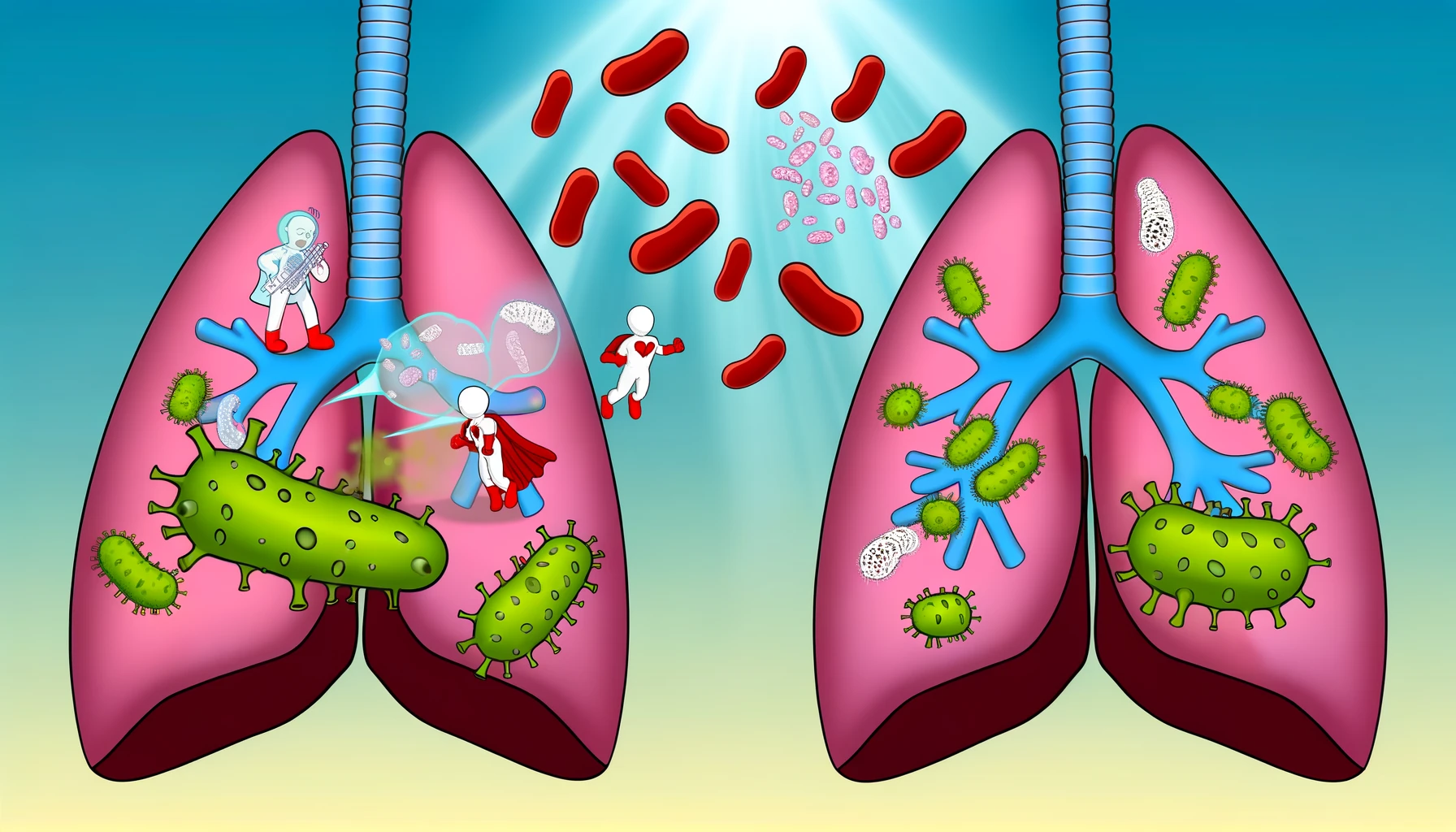
Microorganisms like bacteria and viruses live in various parts of our body, including our mouth. Normally, these microorganisms don’t cause any harm and can even help with some bodily functions. However, when they find their way into the lungs, they can cause problems, such as pneumonia.
Here’s how these microorganisms can move from the mouth to the lungs in simple terms:
- Breathing them in: Sometimes, when we breathe, the tiny droplets of saliva or mucus from our mouth can get pulled into our lungs. This can happen more easily when we’re sleeping, lying down, or if someone has difficulty swallowing.
- Aspiration: This is when something from the mouth or stomach, like food, drink, vomit, or saliva, accidentally goes down the wrong pipe — meaning into the airways and lungs instead of the oesophagus and stomach. This can happen if someone is not fully awake, has swallowing problems, or is under the influence of alcohol or medications.
- Poor oral hygiene: Not taking care of our teeth and gums can lead to an overgrowth of bad bacteria in our mouth. These bacteria can then be more easily inhaled into the lungs, especially if someone’s immune system is weakened or if they have other health conditions.
Once these microorganisms reach the lungs, they can cause inflammation and infection, leading to pneumonia. This is why maintaining good oral hygiene and being cautious, especially with individuals who have swallowing difficulties or are prone to aspiration, is important in preventing pneumonia.